Roman Classic: A Timeless Typeface for Craft Creations
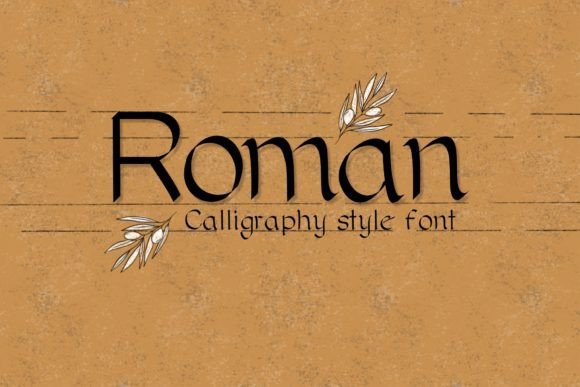
If you're a maker, seller, or designer who values both beauty and clarity in your creations, then Roman Classic is a typeface worth exploring. This elegant yet versatile sans serif font brings a refined charm to any project—whether it’s a hand-painted sign, a printable template, or product packaging. Its clean lines and classic structure make it perfect for those who want their designs to feel polished without sacrificing readability.
Elegant Simplicity with a Handmade Soul
Roman Classic has the kind of understated elegance that works well across multiple mediums. The font's subtle character details give it a timeless quality, while its sans serif design ensures it remains modern and approachable. As a crafter, I love how it blends seamlessly into both digital and physical projects. Whether you’re designing a rustic farmhouse sign or a sleek line of greeting cards, Roman Classic adds just the right amount of sophistication without overwhelming the visual elements around it.
Perfect for Product Presentation and Brand Identity
Fonts play a crucial role in shaping how customers perceive your products. Using Roman Classic can elevate your brand identity by giving your items a professional look that still feels personal and crafted. It’s especially useful when creating product labels, tags, or signage where legibility matters. Because it reads clearly at smaller sizes, it’s ideal for candle jars, jarred preserves, or even boutique price tags where space is limited but style counts.
This font also helps maintain brand consistency. If you use Roman Classic across all your printables, stickers, and packaging, your audience will begin to associate that specific look with your brand. That recognition builds trust and makes your shop stand out on platforms like Etsy or in local markets.
Real-World Applications for Creative Makers
Here are some practical ways I’ve used Roman Classic in my own craft projects:
- Birthday Invitations: Paired with a playful script font, Roman Classic adds a touch of maturity to kids’ party invites or more formal adult events.
- Wedding Welcome Boards: Its clean appearance works beautifully for large display text, making it easy to read from a distance while maintaining a romantic aesthetic.
- Farmhouse Signs: Whether carved into wood or printed onto canvas, this font complements distressed finishes and vintage-inspired themes perfectly.
- Printable Wall Art: Roman Classic fits well in minimalist or modern designs, especially when used in short phrases or quotes.
- Product Packaging: For holiday-themed candles or seasonal bath bombs, I often choose Roman Classic to label jars or boxes because it feels festive yet trustworthy.
- Mug and Shirt Designs: When working with Cricut or Silhouette machines, I rely on Roman Classic for short, impactful phrases that remain crisp and clear after cutting and printing.
Readability Tips for Physical Crafts
One thing I always consider when using a font like Roman Classic is how it looks in real life. Here are a few tips based on my experience:
- Use it for short text: Roman Classic shines as a display font. Avoid long paragraphs unless you pair it with a more functional body font.
- Check spacing and weight: Make sure the characters aren’t too thin if you're using them on small stickers or in SVG-style cutouts. Thicker weights work better for visibility and durability.
- Test at scale: Always preview your designs at actual size before printing or cutting. What looks good on screen might not translate well when applied to a tiny label or a large banner.
- Optimize for production: If you're selling templates or digital downloads, ensure the font includes all necessary glyphs and alternates for customization. Roman Classic offers great multilingual support and a range of styles to suit different needs.
Font Pairing Ideas for Versatile Projects
Part of what makes Roman Classic so valuable is how easily it pairs with other fonts. In handmade and commercial projects alike, thoughtful font pairing can transform a simple design into something memorable.
- Script Fonts: For wedding invitations or luxury packaging, I often combine Roman Classic with an expressive script font. The contrast between the structured sans serif and flowing script adds depth and visual interest.
- Handwritten Fonts: On casual greeting cards or boutique tags, Roman Classic pairs nicely with a handwritten style to balance professionalism and warmth.
- Simple Serifs: For blog headers or newsletter titles, I sometimes layer it with a basic serif font to create a harmonious yet dynamic layout.
- Bold Display Fonts: When designing posters or bold wall art, Roman Classic provides a grounded counterpoint to bolder, more decorative fonts.
Experimenting with these combinations can help you find the perfect match depending on your project’s tone and purpose. Roman Classic adapts well to most creative scenarios, which is why I keep it in my go-to font list.
A Commercially Friendly Font for Sellers and Designers
As someone who sells digital downloads and physical products, I know how important it is to have a font that supports commercial use. Roman Classic is suitable for a wide array of applications including logos, web banners, newsletters, blogs, and more. Just be sure to check the licensing terms provided by the font creator to confirm it allows for the specific uses you have in mind—like SVG files for cutting machines or digital printables sold online.
When creating templates or branded materials, having a font that’s legally sound for resale is essential. Roman Classic’s flexibility means you can confidently use it in client work or product lines, knowing it won’t hold you back creatively or legally.
Why Roman Classic Belongs in Every Maker’s Toolkit
I’ve found Roman Classic to be a reliable choice for many of my projects because it balances style and function. It doesn’t shout for attention, but it commands respect in subtle ways. That quiet confidence makes it a great fit for premium printables, handmade goods, and even social media graphics where a cohesive brand image is key.
Its versatility extends beyond traditional uses. I’ve used it in planner pages for headings and chapter titles, and it holds up beautifully under repeated use. In digital assets, it loads quickly and renders smoothly across devices, ensuring your mockups and previews look consistent no matter where they appear.
What I appreciate most about Roman Classic is how it enhances emotional appeal. Whether you're designing a cozy home decor piece or a high-end product label, the font subtly conveys quality and care. That’s something every small business owner or independent seller wants their products to communicate.
Getting Started with Roman Classic
Before diving into your next project, take a moment to explore the included styles of Roman Classic. Some versions may offer ligatures or alternate characters that can add personality to your designs. These small touches can make a big difference when creating custom SVG-style lettering or intricate layouts for digital printables.
Also, remember to consider file formats. If you plan to use it with software like Adobe Illustrator, Photoshop, or Canva, verify that it comes in OTF or TTF formats compatible with your tools. And if you're designing for international audiences, Roman Classic’s multilingual support ensures your message reaches everyone clearly.
Once you've confirmed everything aligns with your workflow and legal requirements, start experimenting! Try using it in different weights and styles to see how it affects your overall design. You might be surprised at how much of a difference the right font can make in how your products are received.
In the end, Roman Classic isn’t just another typeface—it’s a design partner that helps you bring your vision to life with clarity and charm. Whether you're crafting for fun or running a full-time creative business, this font deserves a place in your collection.